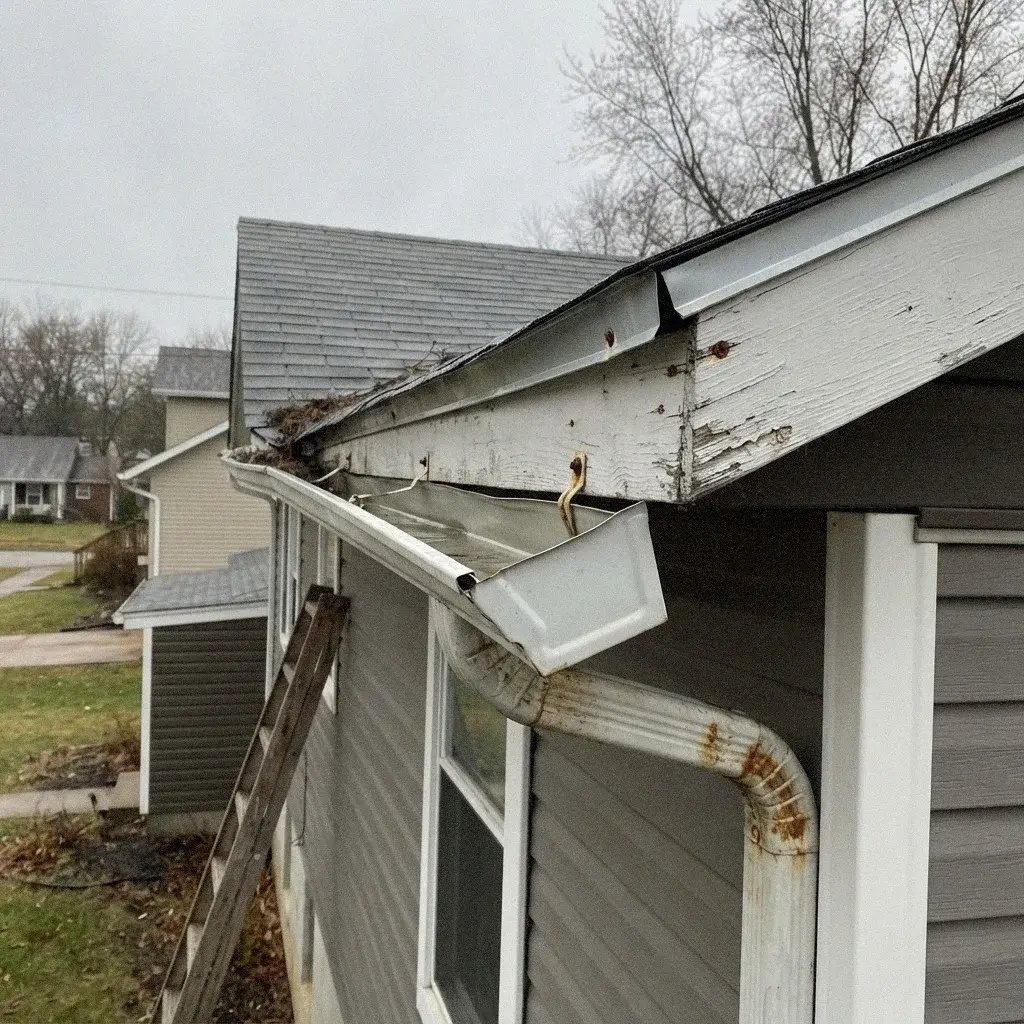
Leaks After Rain
Why can dripping continue after a storm ends? Learn how water held in roof layers affects timing, what to track, and when recurring drops call for inspection.
Read article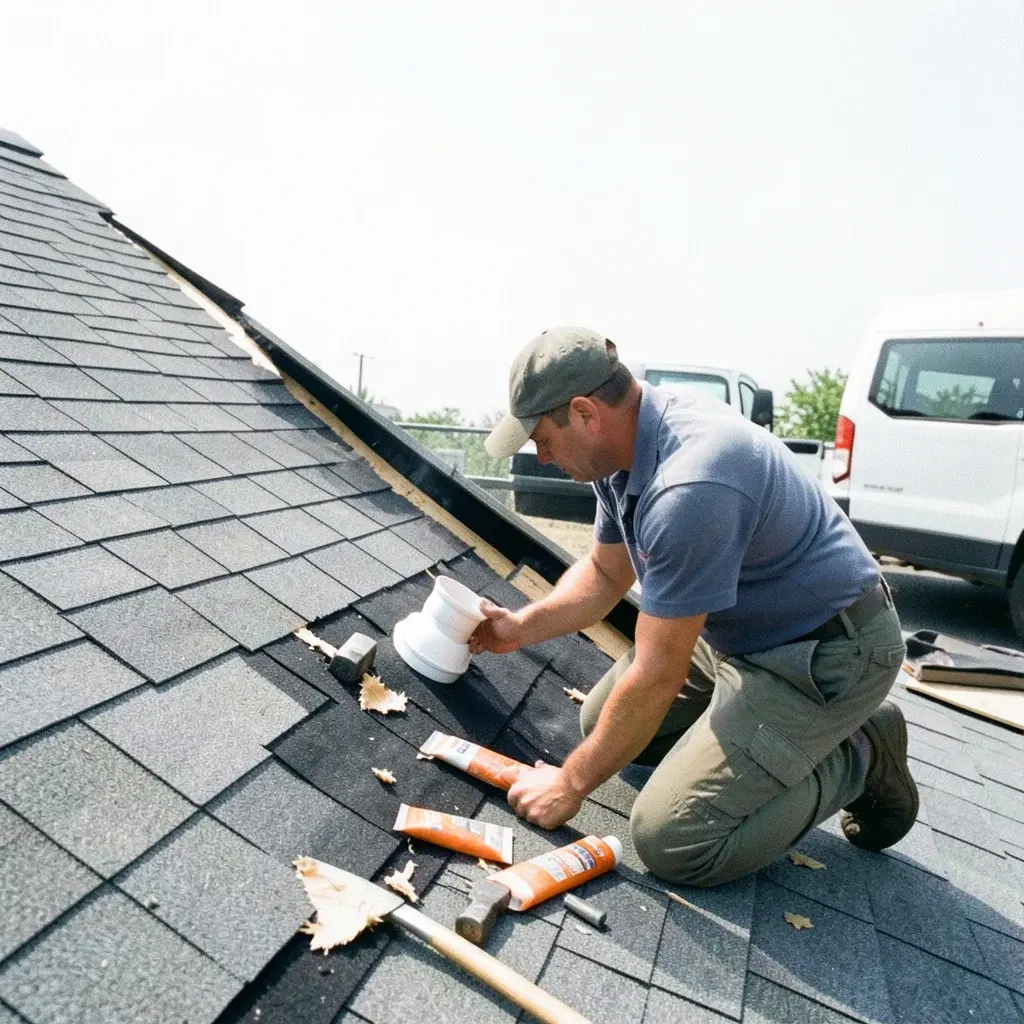
A damp ceiling, a recurring drip, or a roof covering that has shifted can each help start an inspection request. Describe what you see and when it occurs, then ask what the visit includes, when it may be available, and whether a charge applies. Ask how the findings will be shared before deciding on any repair. Before work begins, ask for a written scope that names the repair and the roof components it covers.
Warning signs, roof checks, and repair guidance for the United States homeowners.
Why can dripping continue after a storm ends? Learn how water held in roof layers affects timing, what to track, and when recurring drops call for inspection.
Read article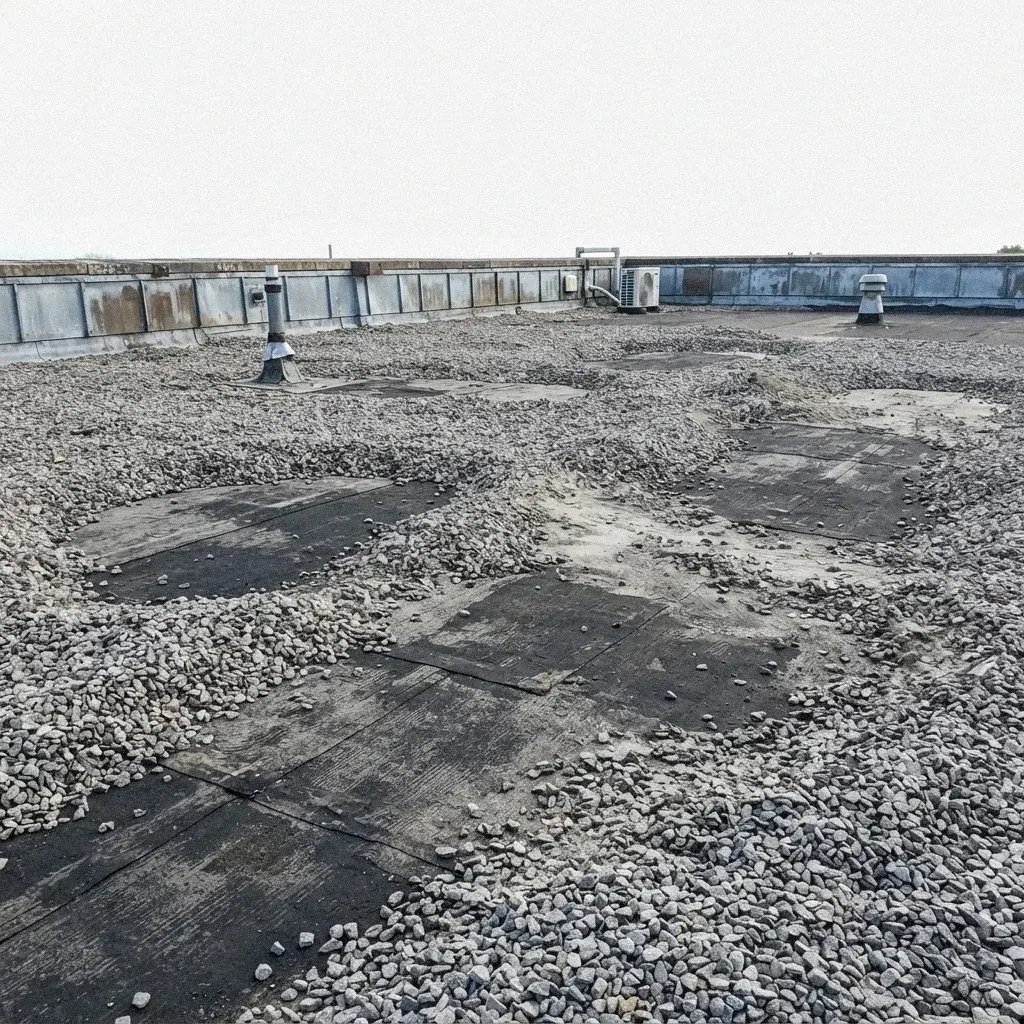
Rain pushed sideways can reach roof openings that remain dry in calmer conditions. Learn how wind direction, roof clues, and leak timing help guide an inspection.
Read article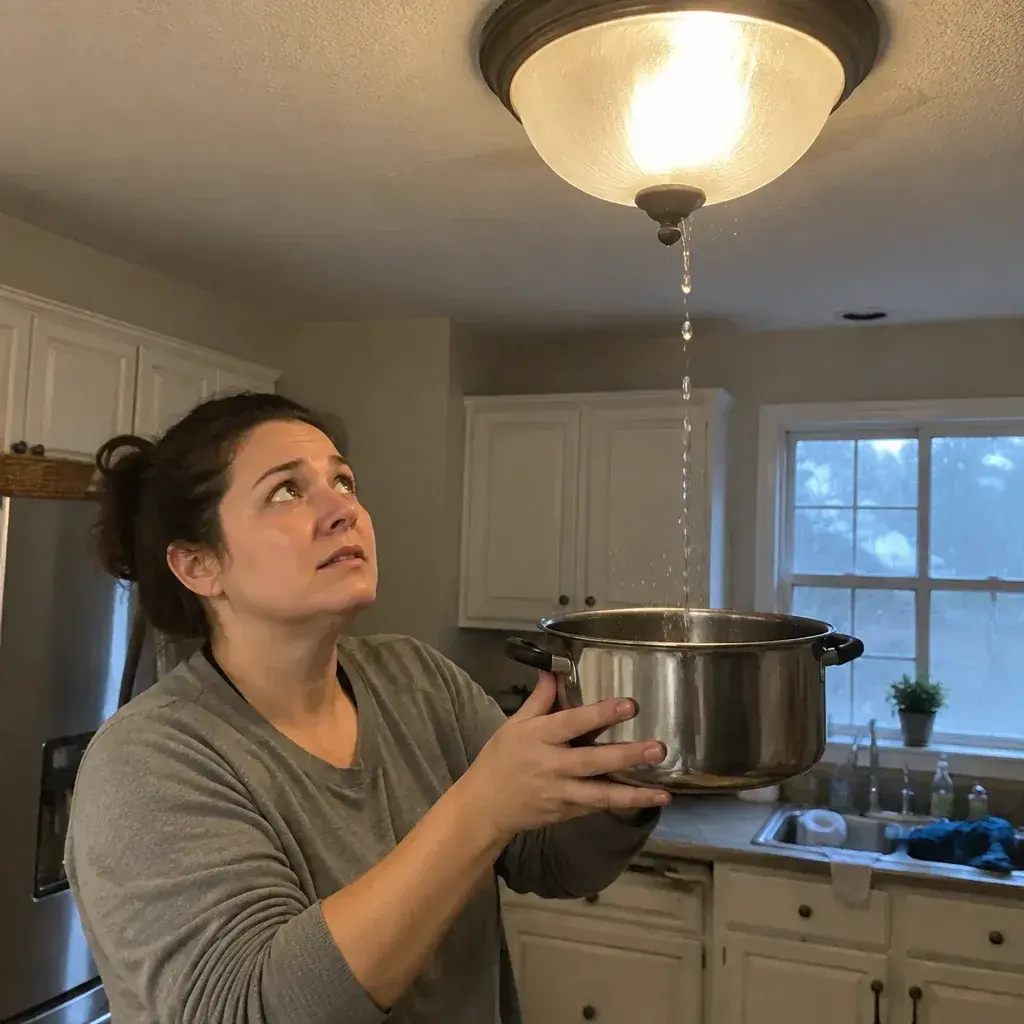
Why can a roof leak only during heavy rain? Learn how runoff, roof openings, and storm timing can explain the pattern and help guide a professional assessment.
Read articleCheck the roof details that interrupt a broad surface first. At a chimney, wall, or vent, flashing has to turn runoff away from the joint; a split or loose edge can let water reach the layers below. Valleys carry water from adjoining roof planes, while vent boots seal openings around pipes, so wear at either point can create a focused entry. The visible damage may be limited even when water has moved beneath the covering. Cracked or lifted shingles can also weaken the roof covering beyond its joints.
Start by noting which room and ceiling level show moisture, then record any recent roof work you know about. A ranch may make it easier to relate a room to the roof area above; split-level layouts can make that comparison less direct. The stain itself does not identify a failed component. A roofer can use your notes to decide which attic areas and roof details to examine, including nearby flashing or penetrations.
Leak Inspection →A roof leak may show up as a spreading ceiling stain, peeling paint, or damp insulation before dripping begins. Move furniture and belongings from the drip path, and catch water only if you can place a container on a stable floor without entering a hazardous area. Photos of the ceiling and affected items can help preserve a record. Do not climb up to investigate; share what you observed with the roofer so the visit can address immediate protection needs.
Emergency Leak Protection →Look for a shingle tab split through its surface, missing a corner, or sitting unevenly against the course below. A missing tab can leave the layer beneath exposed, while a lifted one may no longer hold its overlap when runoff moves down the roof. Check indoors for changes in the ceiling or wall finish, and note which room is affected. Describe what changed in the ceiling or wall finish, including whether the change is new or growing. The licensed pros we connect you with can assess how the tab sits within its course.
Shingle Leak Repair →A hairline fracture, chipped edge, or fragment below the eaves can indicate that a tile no longer shields the layer beneath it. Note the roof slope and the approximate row from a safe spot, and take a photo if the detail is visible. Do not climb up to confirm it: tiles can break under concentrated weight, and roof access needs suitable equipment. Share what you observed with a roofer so the affected section can be checked directly.
Tile Roof Leak Repair →A ranch or split-level home with sloped roofing and a commercial building with a low-slope roof can develop leaks through different parts. On a house, an inspection may look at how overlapping materials meet around a chimney or vent. On a business roof, the seams between sections may need attention. The roof and attic evidence helps connect the indoor signs to a likely entry area, while the covering and its condition shape which repair fits.

Roof and attic clues help trace water entry and focus leak source detection.
View Leak Inspection help in the United States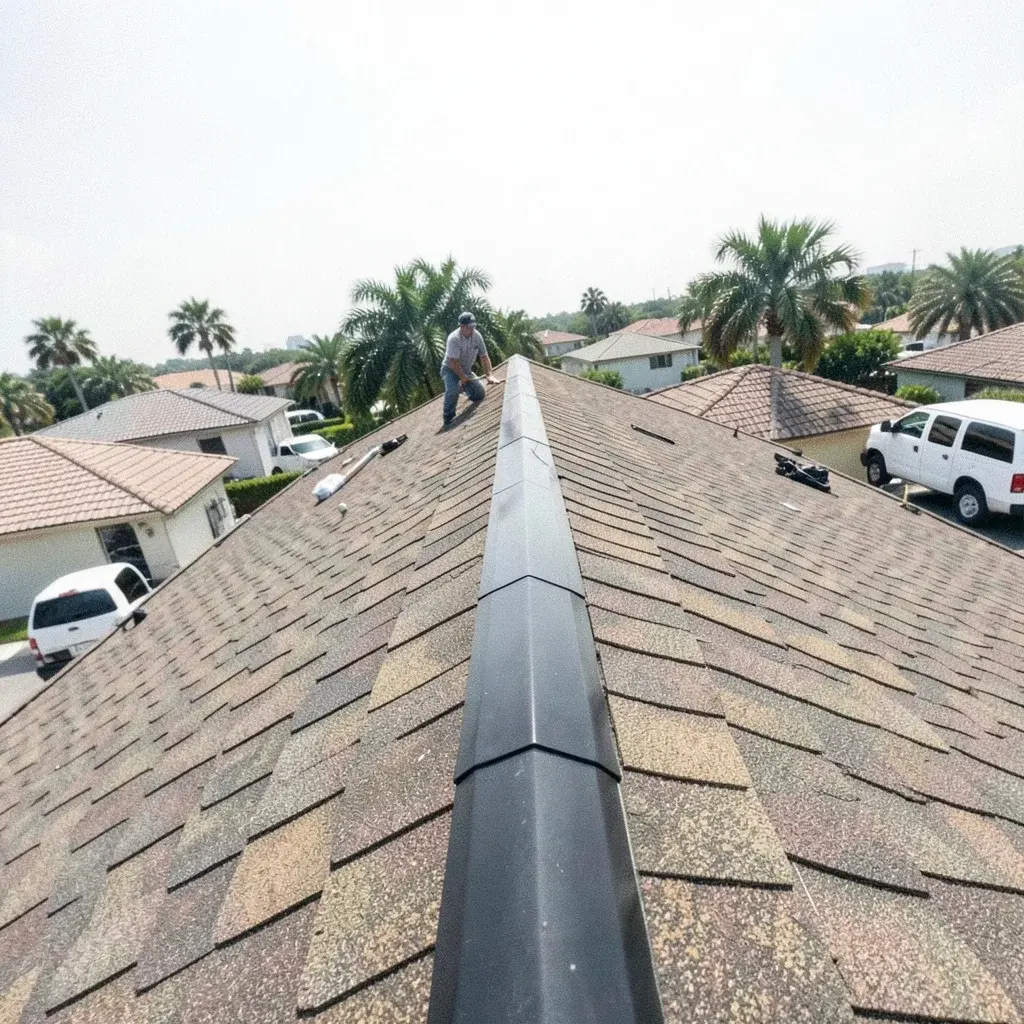
Temporary cover options, safer indoor steps, and a plan for follow-up repair
View Emergency Leak Protection help in the United States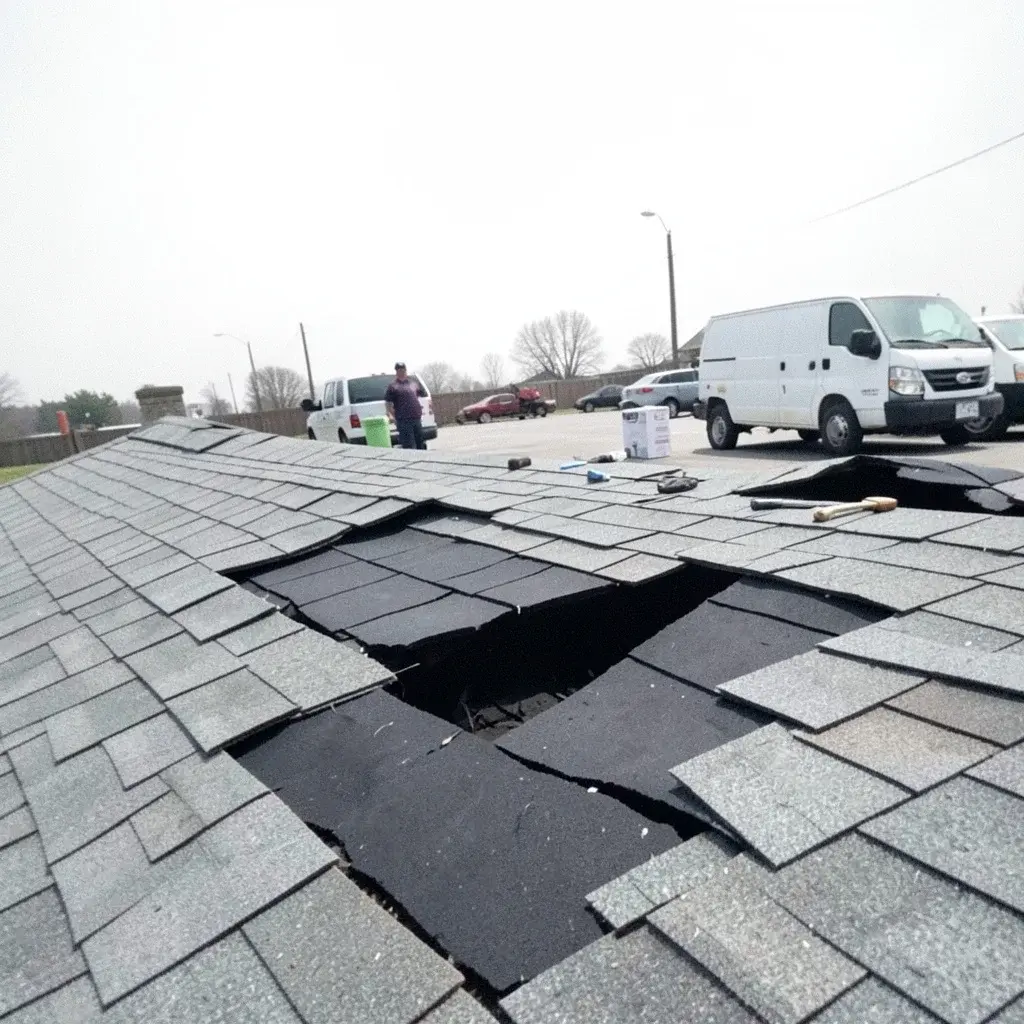
Note shingle damage and indoor leak marks, then ask a pro about repairs.
View Shingle Leak Repair help in the United States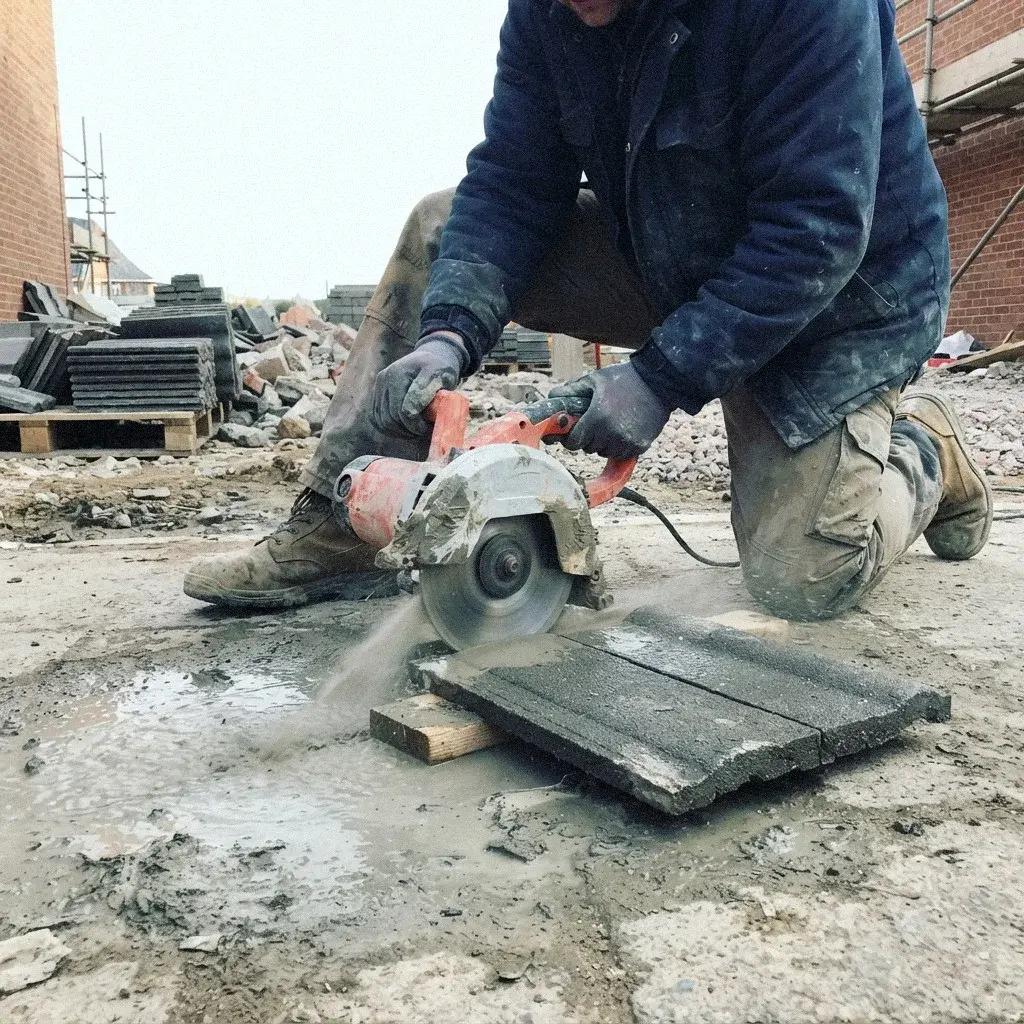
Tile repair follows the path from cracked pieces to worn underlayment
View Tile Roof Leak Repair help in the United StatesWater may follow roof framing before reaching the ceiling. The pros we connect you with use those details to plan an on-site check. They examine accessible roof areas and the attic, following moisture evidence rather than assuming the roof spot sits over the ceiling mark. After locating likely entry components, they explain what they found and which repair approaches fit the roof. You agree on the work before repair begins; afterward, they check the affected area.
Call (855) 768-9249 or use the online form. In your note, identify the roof material if known and the rooms with water marks. Mention whether you have photos of roof damage or interior staining; those records can help document what you observed.
Before scheduling, ask what the roof and attic review covers, what it costs, and how the inspector will trace the water source.
Before repairs proceed, ask what will be done to limit incoming water and have those temporary protections noted in the work plan.
Ask whether the inspection covers drainage routes, flashing, roof openings, and past repair areas. Have the pros we connect you with confirm the work plan and warranty terms in writing.
Water may enter at one roof joint and show indoors somewhere else after traveling beneath the covering or along roof framing. That is why the call starts with the room, timing, and changes you have noticed, then the visit checks attic evidence and roof materials. The pros we connect you with explain the likely entry point, repair choices, and what each addresses before you approve work. After repair, the pros we connect you with check the affected area.
Describe whether water is entering now or getting worse. Point out any damp surfaces, peeling finish, or musty odor you have noticed.
Before approving work, ask what the inspection includes and have the proposed tasks and charges written down.
Ask how the repair plan will protect the roof if work pauses before it is finished.
Ask how they will protect nearby surfaces and limit foot traffic while checking the roof.
Check whether water is still entering, then ask the pros we connect you with what response options they currently offer, including evening or weekend visits.
If a ceiling mark is growing, check for damp insulation from a safe spot, then contact the pros we connect you with about current timing for urgent or out-of-hours visits.
Check whether the pros we connect you with can work at your address and on your roof material.
Roof Leak Repair Services starts with the roof covering, joints around chimneys and walls, and attic signs that can help locate water entry. Flashing at these transitions is designed to direct water away from joints; gaps or damage can let it pass into the roof. The indoor damage may not reveal which part needs attention, so inspection findings guide the repair. Roof covering, flashing, and attic signs each offer a different view of where a leak may have started.
Anchorage publishes roof snow-load guidance, so share roof coverage and visibility conditions when arranging an inspection.
Roof leak repair in Anchorage AKIn Fairbanks, snow and ice can limit setup choices; roof pitch and room to reach the building affect repair access.
Roof leak repair in Fairbanks AKFort Wainwright has documented residential housing, while ZIP-level roof age and material patterns remain unestablished.
Roof leak repair in Fort Wainwright AKAnniston service covers ZIP codes 36201 and 36207; rain timing can help frame your repair inquiry.
Roof leak repair in Anniston AL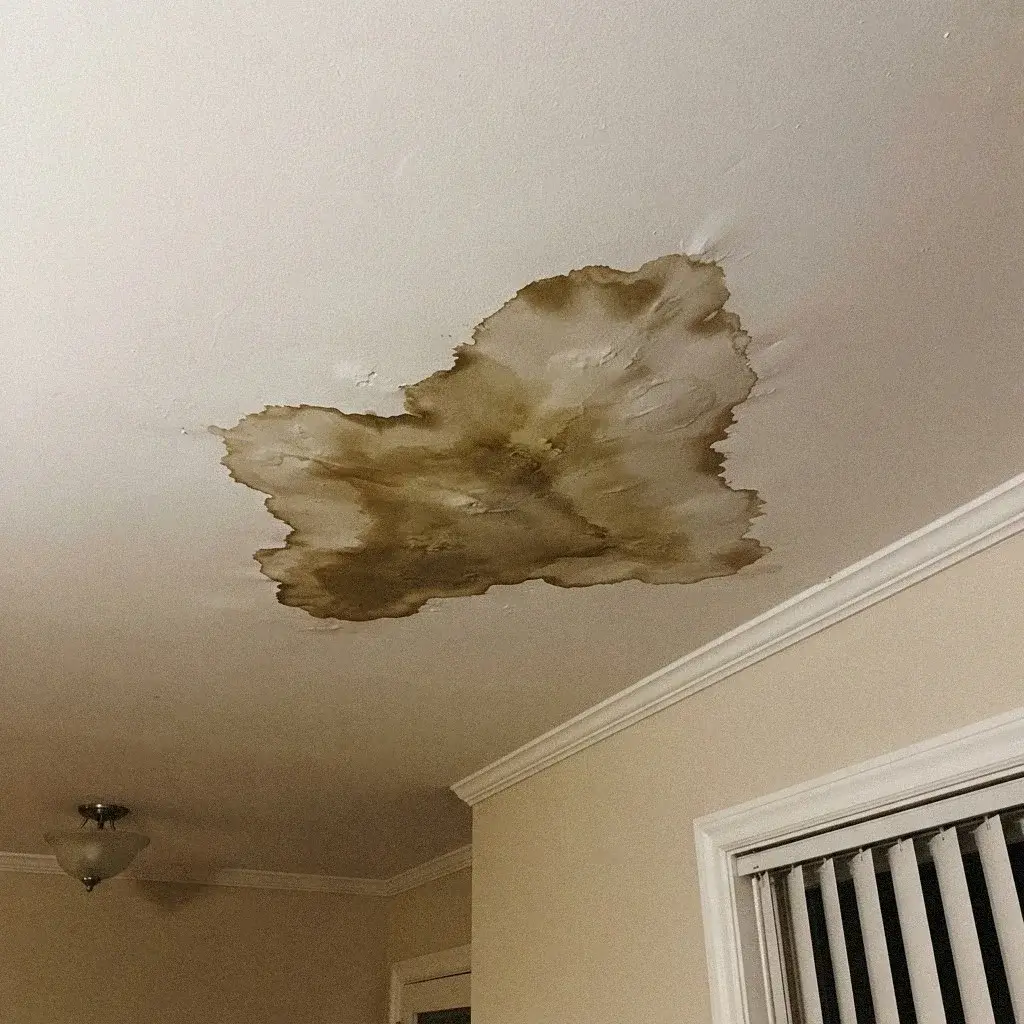
Ask the pros we connect you with to describe what they observed in the attic and which roof materials they examined, then identify the component they believe needs repair. Written findings should distinguish visible damage from a suspected water path, since moisture can travel before it reaches a room. Ask for the repair plan in writing so the work can be matched to the component identified during inspection. Before work begins, clarify what the charge includes and whether any workmanship warranty applies; roof material and repair scope affect cost.
Roof material changes the repair approach. A lifted shingle, cracked tile, and separated flat-roof seam call for different checks and materials, so the work should match the surface and failed component. Through Leak Inspection, Emergency Leak Protection, Shingle Leak Repair, the pros we connect you with can explain what the inspection found.
Keep track of which rooms show water and whether the affected areas change. Ask for the inspection conclusions in a format you can share with an insurer or property manager when discussing the repair.
Selected locations have dedicated pages; from Anchorage AK and Fairbanks AK to Fort Wainwright AK and Anniston AL callers may reach the same referral for roof leak repair. Ask how attic and roof clues will be compared to trace a ceiling mark to its entry point and document the findings.
Start with the topic that fits your concern; it can help you organize what to tell the roofer.
Ask whether the inspection will check attic ventilation for signs that moisture may be building up indoors.
Use the residential guide to learn about leak clues, inspection steps, and decisions to make before roof work starts.
Ask for familiar wording when a roof leak assessment, repair plan, or written scope uses terms you do not know.
Ask which photos or notes would help show how the leak has changed over time.
Ask whether the visit to investigate the leak is charged separately from a written repair estimate, and when each fee applies. Also clarify what the visit covers and whether any follow-up or written findings cost extra. Charges and scheduling depend on the provider. Getting those details before setting a time makes it easier to compare what each appointment includes.
A roof leak means water has passed through a roofing component and entered the home. The indoor mark shows where moisture became visible, which may not be the opening in the roof. Water can follow the underside of roofing or structural members before reaching a ceiling. Inspection evidence helps connect the interior sign with a possible entry point.
Do not assume either part is complimentary. Ask whether the roof visit carries a charge and whether preparing a repair estimate is billed separately. Clarify what the inspection will cover, including whether the attic can be checked, and whether you will receive findings in writing. A ranch roof, a split-level roof, and a home with several roof sections may call for different inspection steps, so confirm the fee terms before setting an appointment.
Keep clear of wet electrical fixtures and any ceiling that looks unstable. If it is safe to do so, move items out of the affected area and catch drips indoors. If you can, note when the leak starts and whether it changes with the weather. Arrange an inspection so the affected area can be assessed for repair.
There is no single nationwide fee rule for these visits. Treat the inspection and repair estimate as separate items when asking about charges. Find out whether the roofer will examine the roof and attic, whether the estimate comes from that visit, and whether a written summary costs extra. Ask the licensed pros we connect you with which visible roof conditions they will record before discussing repairs.
The cost depends on what the inspection finds, the roofing material, and how much of the roof assembly needs work. A repair to one damaged area can differ from work involving multiple components or a harder-to-reach section. Review whether each proposed task relates to a condition identified during inspection.
Yes. You can start with what you have observed inside, such as where moisture appears and whether it changes during rain. If you know the roof material, share it, but you do not need to identify it before asking for an inspection. The visible roof and attic evidence can help determine which materials and components are involved.
Keep the written findings and proposed repair scope with your household records. Note the inspection date and any areas the inspector could not evaluate. Ask what the inspection supports, which areas the proposal addresses, and whether the documentation identifies any conditions that still need evaluation.
A leak alone does not establish that the damage is covered. The roofer’s inspection findings, repair scope, and photos of visible damage or indoor staining may help document the condition. Keep copies and confirm whether more information is needed before arranging work.
$90–$350 for this work is the estimated band for roof leak repair. A roof leak may travel beneath the surface before it becomes visible indoors.
Use your property address to find out whether a page is available for your area and whether the pros we connect you with serve that address. Places with their own pages have local information; elsewhere, requests go through the same referral. When you reach out, describe the room and roof type, then ask about scheduling, any inspection charge, and what information the visit will provide. Before work starts, review the written scope and ask what warranty terms apply to the proposed repair.
Call (855) 768-9249