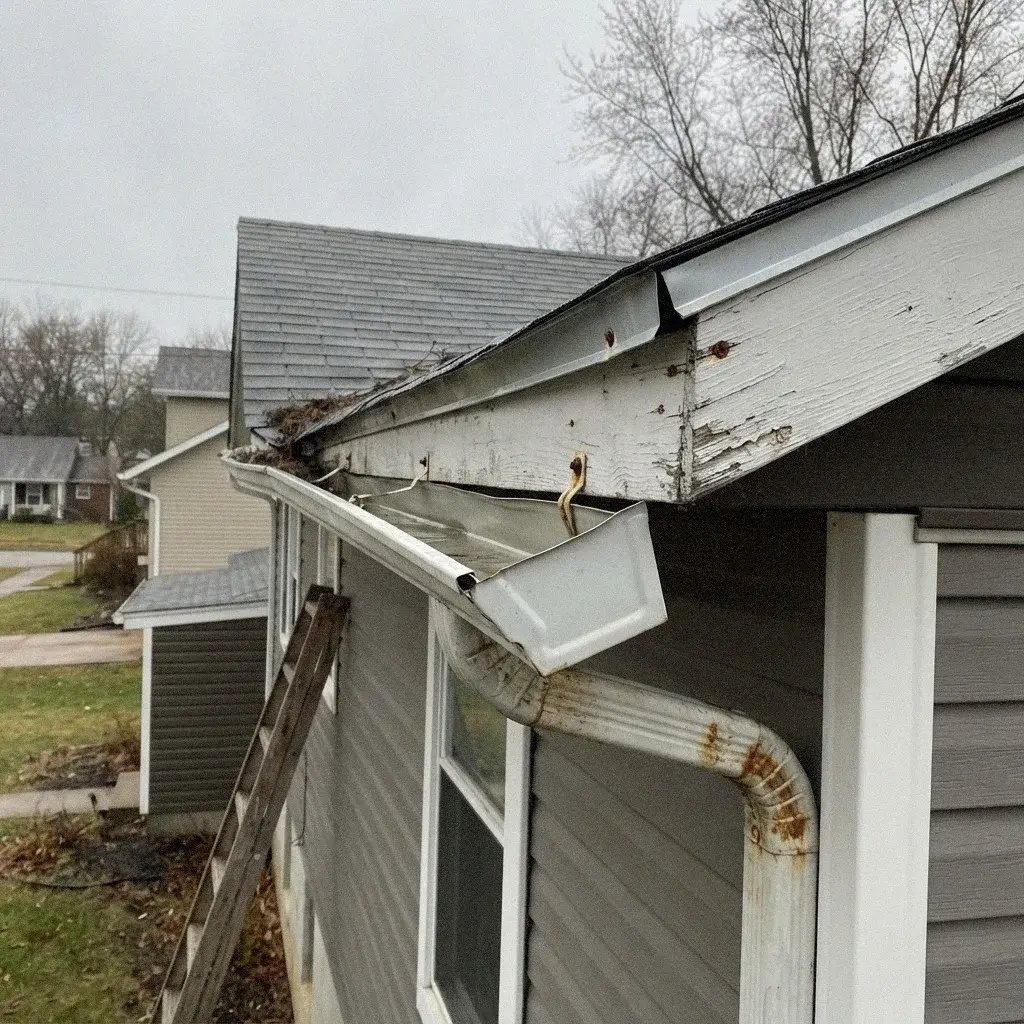
Leaks After Rain
Why can dripping continue after a storm ends? Learn how water held in roof layers affects timing, what to track, and when recurring drops call for inspection.
Read article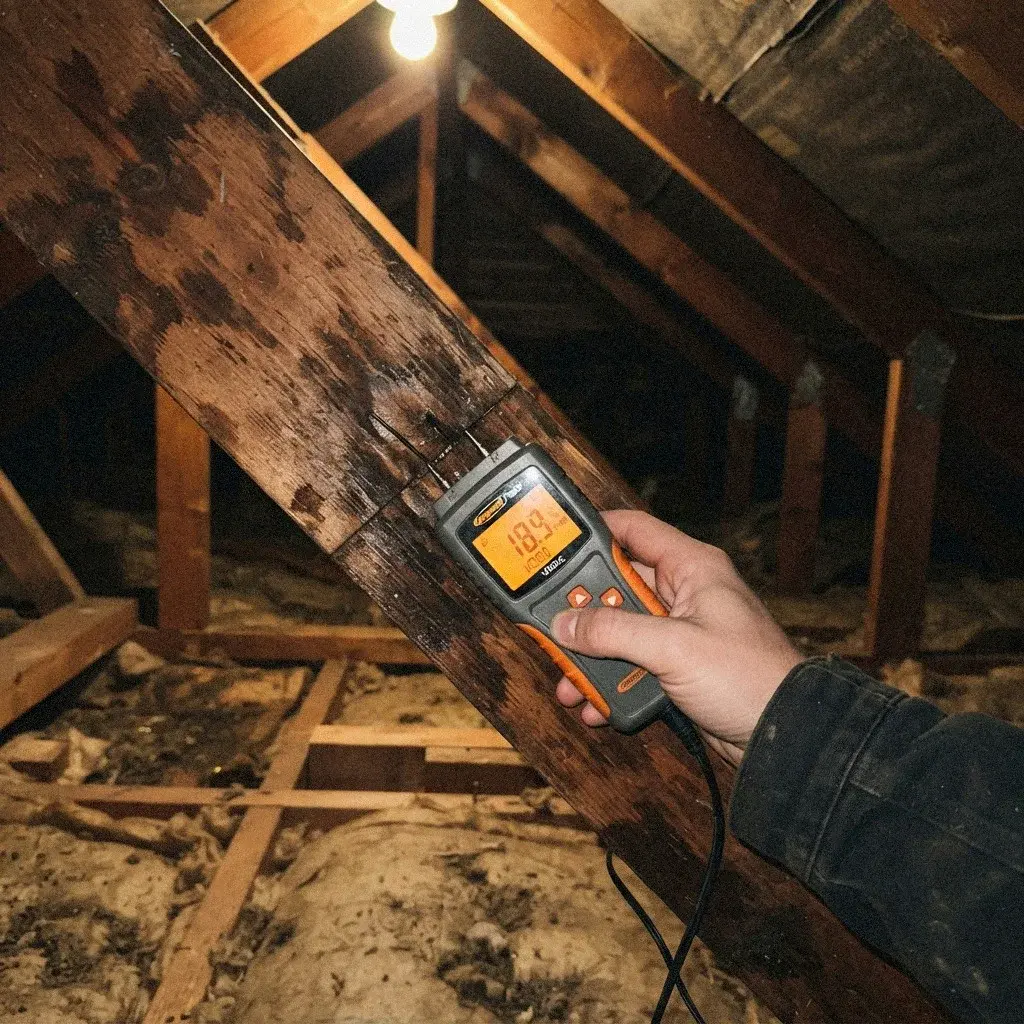
Start with the indoor clues, then consider how the roof is built and what an inspection can establish. These guides are for homeowners comparing what they see with how water can move through a roof assembly, and for anyone preparing to talk with the pros we connect you with. Photos of changing indoor signs can help homeowners describe what they have noticed to the licensed pros we connect you with. Use the guides to frame a next step, not to diagnose from a mark alone.
Start indoors: move belongings away from active drips, contain water, and photograph ceiling marks while they are visible. After a storm, keep those images with any roof photos you can take safely from the ground. If you notice peeling paint or a musty odor, add that detail to the same record as the visible water marks. These guides are for homeowners and property managers who need to describe what they see, follow an inspection, and compare a proposed repair with the material identified as damaged.
Storm timing can add context when considering where water entered the roof. These guides explain how inspection findings relate to repair scope, why roof material matters, and what to ask about the proposed work. If a storm is involved, you may also want to know what records could help with an insurer or property manager. What should an inspection include, and how can you tell whether a suggested repair matches what was found?
Why can dripping continue after a storm ends? Learn how water held in roof layers affects timing, what to track, and when recurring drops call for inspection.
Read article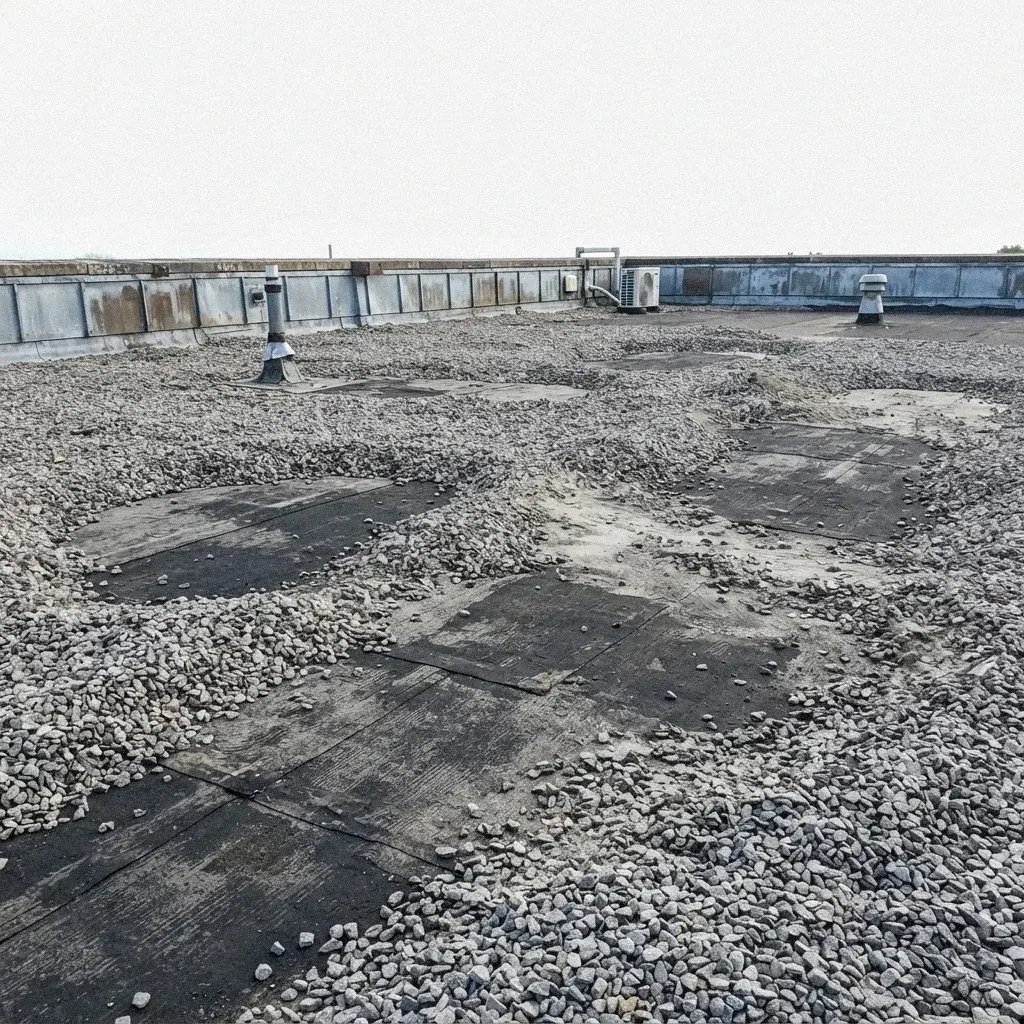
Rain pushed sideways can reach roof openings that remain dry in calmer conditions. Learn how wind direction, roof clues, and leak timing help guide an inspection.
Read article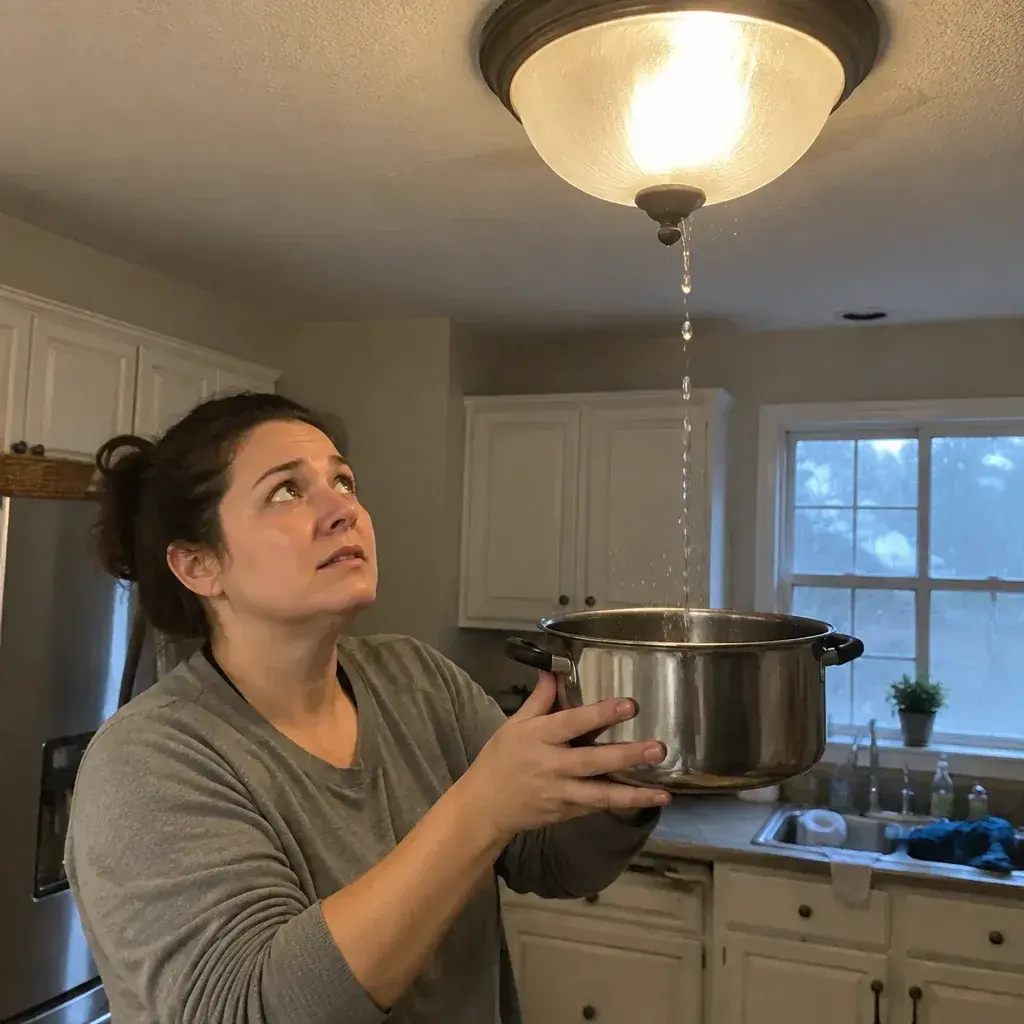
Why can a roof leak only during heavy rain? Learn how runoff, roof openings, and storm timing can explain the pattern and help guide a professional assessment.
Read articleOpen the article and look for a byline, editorial credit, or citations that identify its preparer and supporting material. Those clues let you trace where a claim comes from; without them, the text alone cannot establish the writer’s qualifications or how the guidance was developed. Use the article to frame what to ask, then let roof evidence and the affected materials guide decisions about a particular repair.
Check the article for a publication or revision date and any explanation of what was updated. A date gives you a point of reference, while a change note can show whether the material was revisited. If neither appears, you cannot tell from the page when its guidance was last checked. For a repair decision, compare the article’s general information with a current inspection of your roof.
A leak can start at a joint where the roof meets a chimney, wall, or pipe opening. Flashing directs water away from those connections; if it separates or becomes damaged, water can pass through the gap into the roof. A damaged roof covering can also stop keeping water out. Moisture can travel along roof materials before it appears as a stain indoors.
When you call about a roof leak, ask what the visit covers before setting an appointment. A ranch, split-level, or subdivision home can have shingles, tiles, or a flat roof, so ask whether the inspection fits that material. Find out if the pros we connect you with will check attic evidence as well as roof surfaces, and how findings shape the repair options. Ask whether a focused repair could address the issue or more evaluation is needed. Confirm the address is within the referral area, ask what appointment windows are open, and whether a visit charge applies.
Call (855) 768-9249