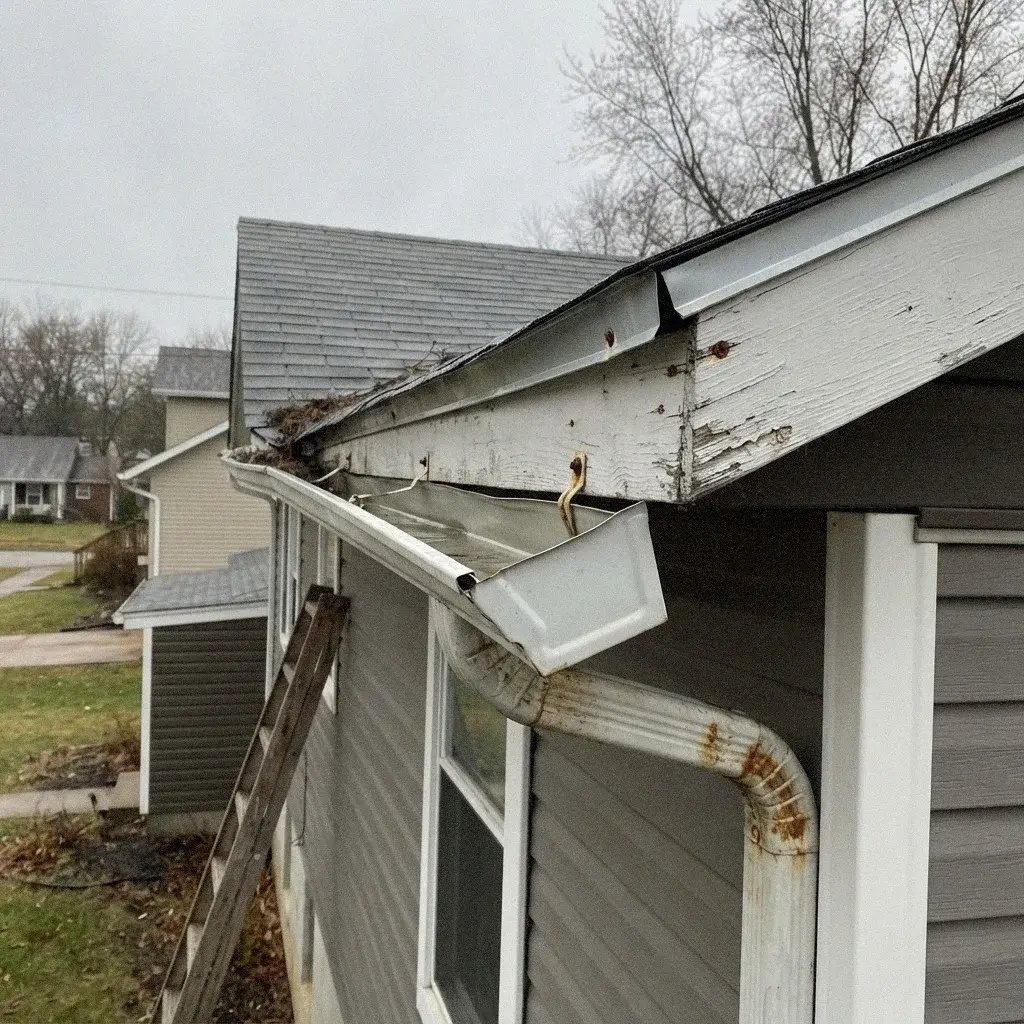
Leaks After Rain
Why can dripping continue after a storm ends? Learn how water held in roof layers affects timing, what to track, and when recurring drops call for inspection.
Read article
Roof and attic clues help trace water entry and focus leak source detection.
A ceiling mark gives you a place to start, but houses across the country route water differently. On a ranch, a stain may be near an attic space that is easy to view; in a split-level, framing and ceiling changes can complicate the path. Rain, snowmelt, or wind-driven weather may bring the mark out at different times. The visible mark may show where moisture reached the ceiling, not the full area it affected. Those details help the pros we connect you with compare what you see indoors with roof and attic evidence.
A roofer can first map the indoor marks, then look for damp insulation, discoloration, or a water trail on accessible attic framing. The direction of that evidence helps narrow which roof area to examine, including shingles, valleys, seams, vent boots, and flashing at walls or chimneys. Access, roof layout, attic visibility, and whether several areas remain plausible can affect the inspection’s duration and estimate. If visual clues do not settle the source, the roofer can explain whether controlled testing could clarify it.
Damaged shingles can let water reach roof layers beneath them and leave the ceiling vulnerable to moisture. Areas with dedicated pages appear by location; requests elsewhere are connected through the same referral.
The residential path at residential roof leak repair service is for your household's roof; property owners handling rental units or commercial buildings can use commercial roof leak repair.
Start by noting which room and ceiling level show moisture, then record any recent roof work you know about. A ranch may make it easier to relate a room to the roof area above; split-level layouts can make that comparison less direct. The stain itself does not identify a failed component. A roofer can use your notes to decide which attic areas and roof details to examine, including nearby flashing or penetrations.
At the roof surface, the inspection can focus on joints where different parts meet. Loose or curled shingles can make it harder for the roof surface to shed water. The roofer may also review the surrounding roofing for a break or opening. These details help narrow the likely entry area, while the ceiling mark alone cannot confirm which part has failed.
On the roof, attention turns to components that interrupt or join the roof covering. Water can travel along the roof surface before reaching a seam or opening. A roofer may also compare nearby shingles, valleys, tiles, or flat-roof seams with the attic clues. The material and condition of each part help explain which area is consistent with the observed trail.
You describe where water appears, when it happens, and any recent roof changes; those details help focus the inspection.
The roofer notes which attic surfaces are accessible and which areas could not be viewed.
The inspection records roof conditions separately from any repair work that may be recommended afterward.
The roofer distinguishes visible evidence from conclusions about how water may have traveled.
An inspection can document roof conditions before a repair plan is considered. On a house with an attic, framing and decking can carry water sideways before it becomes visible; roof transitions and penetrations offer additional places to check. Matching the indoor mark to an attic trail and then to the corresponding roof details gives the roofer a reasoned basis for identifying a likely entry area. It also shows when the available evidence leaves more than one possibility.
Finding the source of a roof leak can take more than spotting a stain indoors. The licensed pros we connect you with can assess accessible roof areas, attic spaces, and nearby drainage details to narrow down where water may be entering. They may note damaged materials, moisture patterns, or conditions around vents and roof edges, then explain what needs attention. Keep people clear of wet ceilings and avoid climbing onto a slick roof while the inspection is underway.
A roof leak inspection focuses on locating likely water entry by comparing interior signs, accessible attic evidence, and visible roof conditions. What can be inspected depends on the roof design, materials, safe access, and whether the attic can be viewed. If the findings point to a confirmed entry, the repair scope belongs in a separate discussion; ask the roofer to explain the evidence and any uncertainty before deciding what follow-up is appropriate.
Treat Leak Inspection figures as provisional: the leak source and work needed affect cost. Ask the contractor to explain the inspection account, disclose any callout fee, and record the agreed tasks.
| Inspection Notes | Repair Details | Estimate Terms |
|---|---|---|
| Spot correction | Repair one failed roof part; surrounding sound coverage remains untouched | an estimated $90–$350 |
| Roof-feature work | Trace and address one roof opening; separate water sources need added scope | an estimated $105–$455 |
| Broad-area work | Localized minor fault addressed while any spreading deterioration remains separate | an estimated $90–$350 |
| New roof covering | Replace or mend one deteriorated piece; sound sections are not included | an estimated $215–$1,400 |
Look for the choices behind the total: how much repair work is proposed, whether related tasks are included, and whether a more durable part is an option. The full pricing guide explains these cost factors; use it to prepare questions about the scope in your estimate.
Yes. The visible mark shows where moisture reached the interior, and the finish can conceal how far it spread. A roofer compares the mark’s position and timing with attic evidence and the roof details above or nearby. Photos taken as conditions change can help document the pattern, but they do not establish the entry point by themselves.
When a visual inspection leaves more than one possible entry point, a roofer may use a controlled water test to help distinguish between them. The roofer applies water to a limited area while checking for a response inside or in an accessible attic. This can add evidence about a suspected seam or joint, though a test that does not reproduce the leak cannot by itself rule out that area.
Note the room, timing, weather conditions, and any recent roof changes, and take indoor photos if practical. Share those details with the roofer. Avoid entering an unsafe attic or walking on the roof; the roofer can assess access and use appropriate equipment. If water is actively entering, temporary protection is a separate matter from diagnosing the source.
A controlled water test may help when a visual inspection leaves multiple plausible entry areas. The roofer can describe which area would be tested, how water would be applied, and what result would count as useful evidence. Testing may not resolve every case, so ask what the existing observations support and what uncertainty would remain.
The estimate and visit length can depend on roof height and layout, safe access, attic visibility, and how many possible entry areas need review. A clear trail may narrow the inspection; limited access or several plausible routes can require more evaluation. Ask what the estimate includes, which areas will be checked, and whether any additional testing is separate.
A useful report distinguishes conditions the roofer observed from conclusions drawn from them. The summary should identify which clues support the likely entry area, what could not be inspected, and any remaining uncertainty. If the findings indicate a repair is needed, request that its scope be explained separately from the inspection.
Plan around $90–$350 for this work for leak inspection until the roof is checked. Material, the path water takes, and repair scope can change the total; the pros we connect you with confirm it after inspection.
Build a working picture of roof leak repair before discussing your situation with a roofer.
Why can dripping continue after a storm ends? Learn how water held in roof layers affects timing, what to track, and when recurring drops call for inspection.
Read article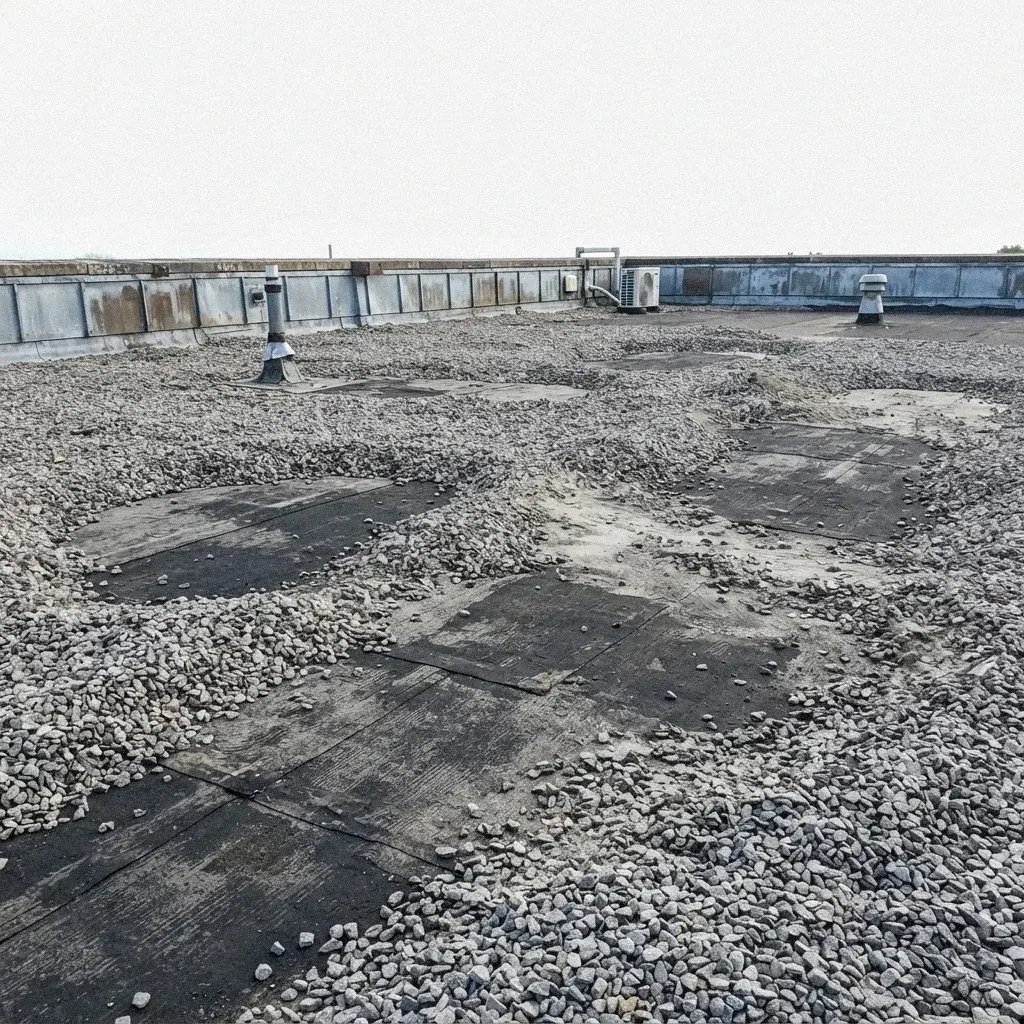
Rain pushed sideways can reach roof openings that remain dry in calmer conditions. Learn how wind direction, roof clues, and leak timing help guide an inspection.
Read article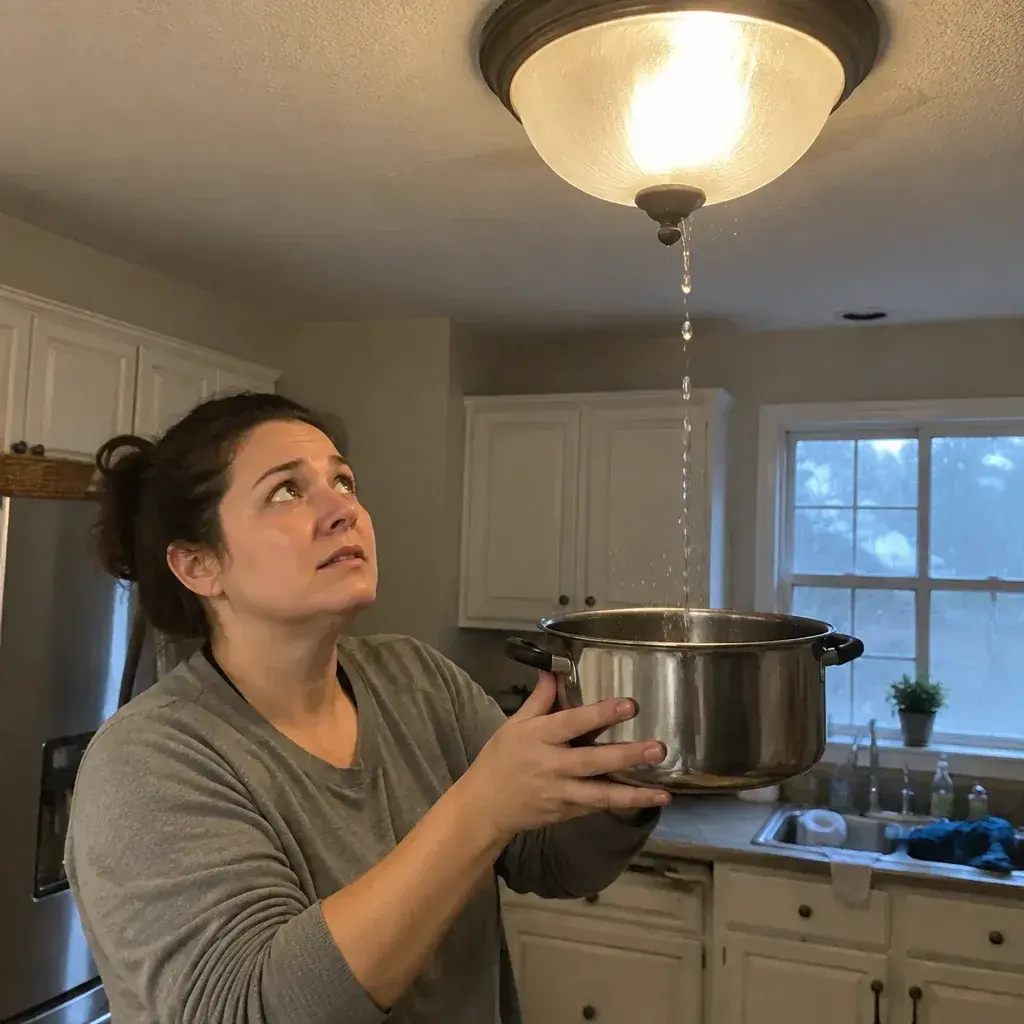
Why can a roof leak only during heavy rain? Learn how runoff, roof openings, and storm timing can explain the pattern and help guide a professional assessment.
Read articleKeep notes on when the leak appears and how it changes. Tell them the roof type and where water appears inside, since the indoor spot may not match the roof entry. Ask about scheduling and any inspection fee. If repair is proposed, request a written account of the work, clarify separate charges, and review the warranty terms before deciding how to proceed.
Call (855) 768-9249