Why Roof Leaks Return
Across the country, homes range from ranches and split-levels to larger buildings with raised roof-edge walls. Rain, snow, wind, and temperature shifts vary by region, so an inspection should account for the particular wall, cap, and roof junction on the building.
Location pages cover listed service areas; in other covered areas, requests use the same referral connection. The licensed pros we connect you with can discuss the visible roof concern and possible repairs.
Some places have pages of their own; other locations are reached through the same referral. When you contact the pros we connect you with, name the property’s city and county so they can check whether they serve that address.
Checking Roof Materials for Leaks
- WATER ROUTE
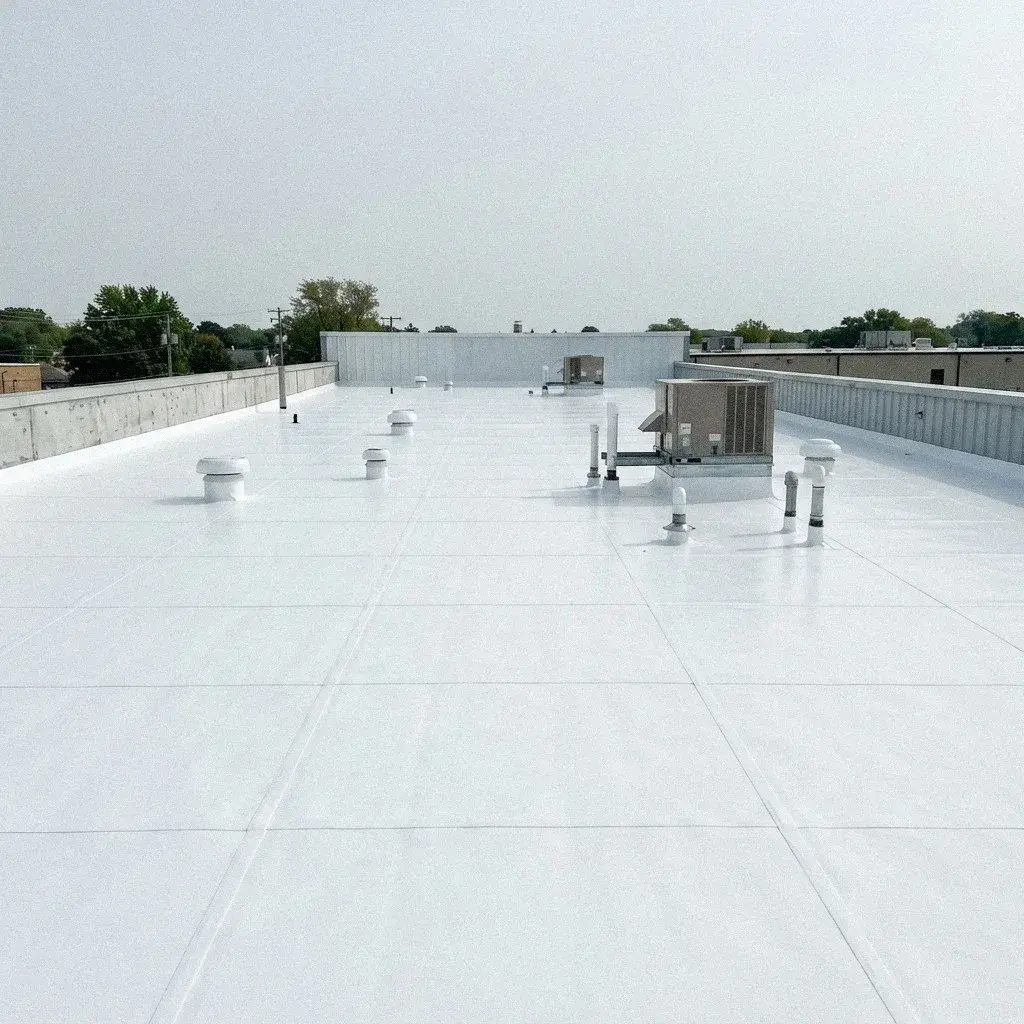
- A parapet is the raised continuation of an exterior wall above the roof edge, where its cap and roof connection need to shed water.
- TOP CAP
- Coping is the protective top of a parapet; its joints and ends connect separate sections along the wall.
- BRICKWORK
- Where a roof meets a parapet, the adjoining surfaces must remain connected so water cannot pass behind them.
- ROOF TRANSITION
- Pictures of the wall top, roof edge, and indoor marks can help you review the roofer’s findings and listed repair work.
- WORK BASIS
- A roofer can compare coping joints, masonry, and the roof-side connection, then base the repair plan on the detail that allows water through.
- Visit Timing
- Rain can wet exposed parapet joints, while freezing temperatures may affect damp masonry and cap connections. Heat can also move adjoining materials. These seasonal conditions help frame an inspection, but the specific damaged junction still needs to be identified.
- WORK TIME
- an estimated $350–$900
Keeping Interior Belongings Clear of Water
Chimney flashing. Its condition matters where flashing has pulled away from the chimney or no longer lies flat. The two details may be near the same interior stain, so identify the exterior structure first. From a side view, a parapet may hide part of the roof surface behind the wall. A chimney stands separately through the roof; from the ground, check whether the feature continues the outside wall or appears as an isolated stack.
Roof Leak Repair From Review to Fix
The roofer examines the parapet face, cap joints and ends, and the roof edge adjoining the wall. They assess which connection is damaged and whether moisture has affected neighboring masonry, using the reported leak pattern to guide the inspection.
After identifying the failed detail, the roofer repairs the affected masonry, coping connection, or roof-edge junction with materials suited to the existing assembly. They then review the repaired area and explain what work was completed and any remaining concerns.
One appointment may cover both diagnosis and correction when the likely entry point is visible and the surrounding roof is in sound condition. A return visit is reasonable if concealed moisture, several affected components, or a leak that persists makes the next repair step uncertain.
CHOOSING BETWEEN A TARGETED FIX AND FURTHER REVIEW
| Repair Approach |
Contained Roof Repair |
|---|
| Early roof leak with limited spread | Temporary covering |
| Indoor moisture resurfaces after prior service | Ceiling stain location |
| More than one roof section showing entry | Water-shedding metal and roof covering secured |
ROOF ENTRY POINTNo state license for this work is identified here. Requirements can differ by location, so check with the relevant local authority. Ask the pros we connect you with to itemize the wall, coping, and roof-edge work on the invoice. Listed places have location pages; other covered areas use the same referral connection.
Following Water Through Roof Structure
An open cap joint or damaged wall can keep feeding moisture into masonry and adjoining roof materials. With continued wetting, interior finishes may stain or deteriorate, and concealed materials may need attention. Repair can then include drying or replacing affected interior and wall components as well as fixing the entry detail.
Containing Water While You Arrange Repair
Avoid covering a suspected opening with sealant before the roofer can inspect it. Indoors, record where dampness or staining appears and when you notice it. Keep clear of loose masonry and roof edges; leave climbing, testing, and repairs to a roofer.
Leak Repairs Around Electrical Systems
Water at a parapet can reach concealed wall or roof materials before you see damage indoors. Stay away from loose caps and any ceiling that is bulging or shedding material. Photograph visible staining from a safe position and note whether it changes after rain. Do not climb onto the roof; have a roofer assess it with appropriate access equipment.
What Can Change a Roof Leak Repair Quote?
Ask the pros we connect you with to inspect the roof, then discuss how the affected materials and repair scope shape the estimate.The guide range reflects a roof repair approach supported by inspection findings; it does not price every possible method for addressing the same leak. The amount of repair work depends on what the inspection finds around the leak.The pricing guide lays out cost bands alongside details that can shift a repair bill.